- Pick your favorite (or least-favorite) policy-maker and find an example of a positive statement and a normative statement made by this person. Why does it matter that the statements are either positive or normative? Does identifying which category the statement falls into change the way you evaluate the statement?
- Look at the table of propositions about which most economists agree (Table 1). Do you agree with all of them or are there one or two about which you have disagreed in the past? Why did/do you disagree?
- Or as an alternative… The buy local movement is fairly strong in Colorado. How can you think about it in terms of the PPF? Watch this video: http://www.mruniversity.com/courses/everyday-economics/buy-local-movement-shop-small-business (Links to an external site.) How do his arguments relate to economic efficiency? How is efficiency shown on the PPF?
Positive Statements – defined as descriptive statement making a claim about how the world is. These can be challenged and verified with data to confirm or deny.
Normative Statements – claims that attempt to prescribe how the world should be. These involve values as well as facts. There isn’t a science as it involves views on ethics, religion, and political philosophy.
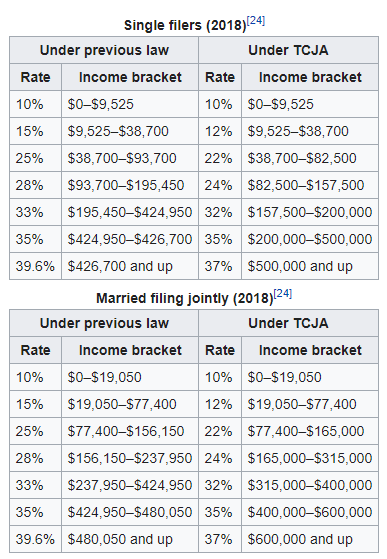
- When picking a favorite or least-favorite policy maker it’s really easy to pick on Donald Trump. He’s constantly on Twitter making ‘statements’ about everything in the world. He is clearly known for being the world’s biggest internet troll. His positive statements have been shown time and time again to be mostly lies and half truths. In contrast his normative statements show the world what he really believes. Trump wants “…. massive tax cuts, probably the biggest tax cuts we’ve ever seen…” This is a normative statement about how he wants to bring down the tax rate seeing that issue as a problem in our country. It’s a debate to discuss where the money would then come from to pay for the national debt. Trump did enact tax cuts in 2017 called the TCJA Tax Cuts and Jobs Act – lowering taxes only for almost all Americans.
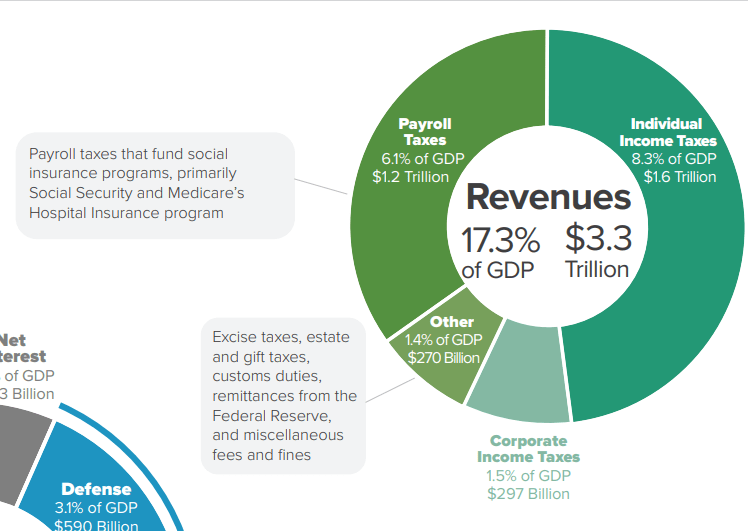
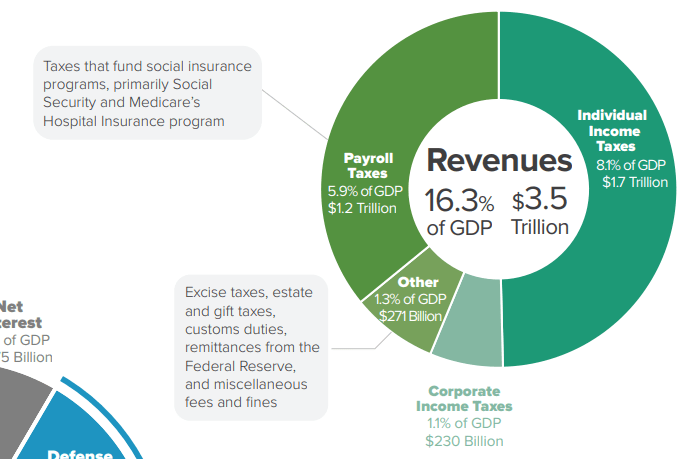
Less money coming in means that the government can’t afford some programs and promises. In 2017 the USA took in $3.3 trillion, $1.6 Trillion coming from Individual Taxes, and $1.2 Trillion from Payroll Taxes. In 2018 after the TCJA took affect these numbers are basically the same. Same for 2019. So did these tax cuts make a difference?
2017 USA National Revenues
2018 USA National Revenues

2019 USA National Revenues
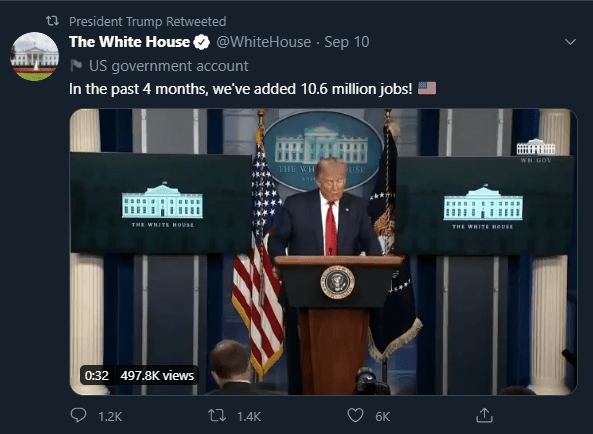
Here is an example of a positive statement, we’ve added 10.6 million jobs in the past 4 months. That data can be verified and checked.
2. I agree with many all of these statements. It would be great if our policy makers would listen more to their economist advisors. Way back when I was a renter I probably disagreed with Proposition 1 – “A ceiling on rents reduces the quantity and quality of housing available.” – Now that I am a landlord I can see see how having a good range of rent options is better for the health of the overall economy and rental market.
3. PPF – Production Possibilities Frontier teaches us that specialization is better for everyone. We increase economic output by focusing our efforts on producing what we can produce in the most efficient way, and then we trade for all the rest of the stuff we need. We see this every day in our labor market. Personally I’ve been in IT for 20 years. I have specialized my skill set so that I can be the best IT professional I can be. While I do know how to change the oil in my car, grow vegetables in my garden, and remodel my own house… it does not make sense for me to always focus on those items for survival when I consider opportunity cost. I don’t have the time to paint my entire house, grow and raise all of the food my family needs to eat, or build and fix all of the vehicles. For these many problems I have trade in a functional market. I spend my time providing the businesses I support the best IT experience possible, providing my company with a very valuable service. In doing so I push my PPF out further so that I can enjoy not spending all of my days producing food, fixing engines, and working on my home.
 Dude.World